New England draws golfers with a combination of mountain backdrops, coastal fairways, and historic course design that few regions in the United States can match. From the Green Mountains of Vermont to the rocky shores of Maine and the heritage towns of Massachusetts and Connecticut, the region offers a genuinely varied golf travel experience across all six states. This guide compares 15 hotels positioned to serve golfers - covering proximity to courses, on-site amenities, and the practical logistics that determine whether a stay actually works for a golf trip.
What It's Like Staying In New England As a Golfer
New England's golf season runs from late April through October, with peak demand concentrated in September when foliage begins and course conditions are at their best. The region spans six distinct states - Maine, Vermont, New Hampshire, Massachusetts, Connecticut, and Rhode Island - which means travel between tee times often requires a car, as rail and bus connections between rural golf destinations are limited or nonexistent. Driving is the dominant mode of transport for golf travelers here, and distances between properties and courses can range widely across the same state. Crowd patterns shift sharply: coastal areas like Cape Cod and southern Connecticut fill up in July and August, while Vermont and inland Maine stay quieter until foliage season pushes occupancy up around 40% above summer averages. New England rewards golfers who plan ahead, but those seeking warm-weather, resort-density golf would be better served by destinations like Myrtle Beach or Scottsdale.
Who benefits most from a New England golf stay: travelers combining golf with fall foliage, seafood culture, historic towns, and outdoor recreation. Those expecting flat terrain, continuous sunshine, or walkable resort campuses may find the region's character-driven, spread-out landscape more demanding than anticipated.
Pros:
- Some of the most scenic fall golf landscapes in the eastern United States, particularly in Vermont and Maine
- Strong concentration of historic and public-access courses within driving distance of most hotel bases
- Golf can be paired directly with coastal activities, vineyard visits, and cultural attractions without changing hotel
Cons:
- Car is essential - public transport does not connect most golf-adjacent towns
- Weather is unpredictable: rain and wind can affect coastal and mountain courses with little warning
- Peak foliage season (late September to mid-October) drives up hotel prices significantly across the region
Why Choose a Golf Hotel In New England
Golf-themed stays in New England span a wide spectrum - from full resort properties with on-site pools, spas, and multiple dining options in Vermont, to practical roadside hotels in Maine that sit within a short drive of established public courses. The key differentiator in this market is proximity to courses rather than on-site golf, since only a handful of New England hotels maintain private fairways. Most golf hotels here position themselves as convenient bases: well-equipped for early tee times, offering parking, fitness centers, and breakfast options that fit a golfer's schedule. Expect to pay a premium of around 30% more for resort-style properties in Vermont compared to mid-range highway hotels in Maine or central Massachusetts. Room sizes at New England golf hotels tend to be generous by regional standards, especially in resort properties, where suites with kitchenettes are common and practical for multi-night golf trips requiring equipment storage.
Main advantages of this hotel category in New England: free parking (near-universal across all properties listed), consistent breakfast availability, indoor pools suited to post-round recovery, and locations that cluster near the region's most active golf corridors in Vermont, Maine, and coastal Connecticut.
Main trade-offs in this specific zone: noise from highways is a factor at value-tier options near interstates; resort-style properties in Vermont require longer drives to reach major airports; and weekend rates in southern Connecticut spike due to casino proximity rather than golf demand specifically.
Pros:
- Free parking is standard across the category, essential for golfers traveling with equipment
- Indoor pools and fitness centers at most properties support physical recovery between rounds
- Buffet and continental breakfasts allow early departures without needing to find off-site dining
Cons:
- True on-site golf is rare - most properties rely on proximity to nearby public or semi-private courses
- Value-tier hotels near interstates trade location convenience for road noise and limited atmosphere
- Resort properties in Vermont can feel isolated if traveling without a car or for more than 4 nights
Practical Booking & Area Strategy for Golf Travelers
For golfers focused on Vermont courses like Okemo Valley Golf Club or mountain-adjacent fairways, basing yourself in Brownsville or Ludlow puts you within around 10 minutes of tee times without the resort markup of ski-season pricing. In Maine, Orono and Waterville serve as practical midpoints - Orono sits near Bangor International Airport (around 16 km away) and is well-positioned for golfers exploring eastern Maine's public course network, while Waterville connects well toward Augusta-area courses along Interstate 95. Southern Connecticut bases near North Stonington and Niantic provide access to the Mystic-area coast and Foxwoods-adjacent leisure, making them useful for golfers who want to combine rounds with casino evenings or Mystic Seaport visits. In Massachusetts, Milford and Framingham anchor the Boston metro golf corridor, with Framingham sitting around 33 km from downtown Boston and offering direct Interstate-90 access toward Worcester-area courses. Book Vermont and Maine properties at least 6 weeks ahead for September and October stays - foliage demand is real and last-minute availability at quality properties disappears fast. Andover, Massachusetts, is underrated as a base for golfers targeting the Merrimack Valley and North Shore courses, sitting within 35 km of the Peabody Essex Museum area and clear of Boston's congestion pricing zones.
Best Value Golf Hotel Stays
These properties offer the strongest combination of practical amenities, free parking, and course-accessible locations at mid-range or budget price points - well-suited to golfers prioritizing early tee times and post-round comfort over resort-style programming.
-
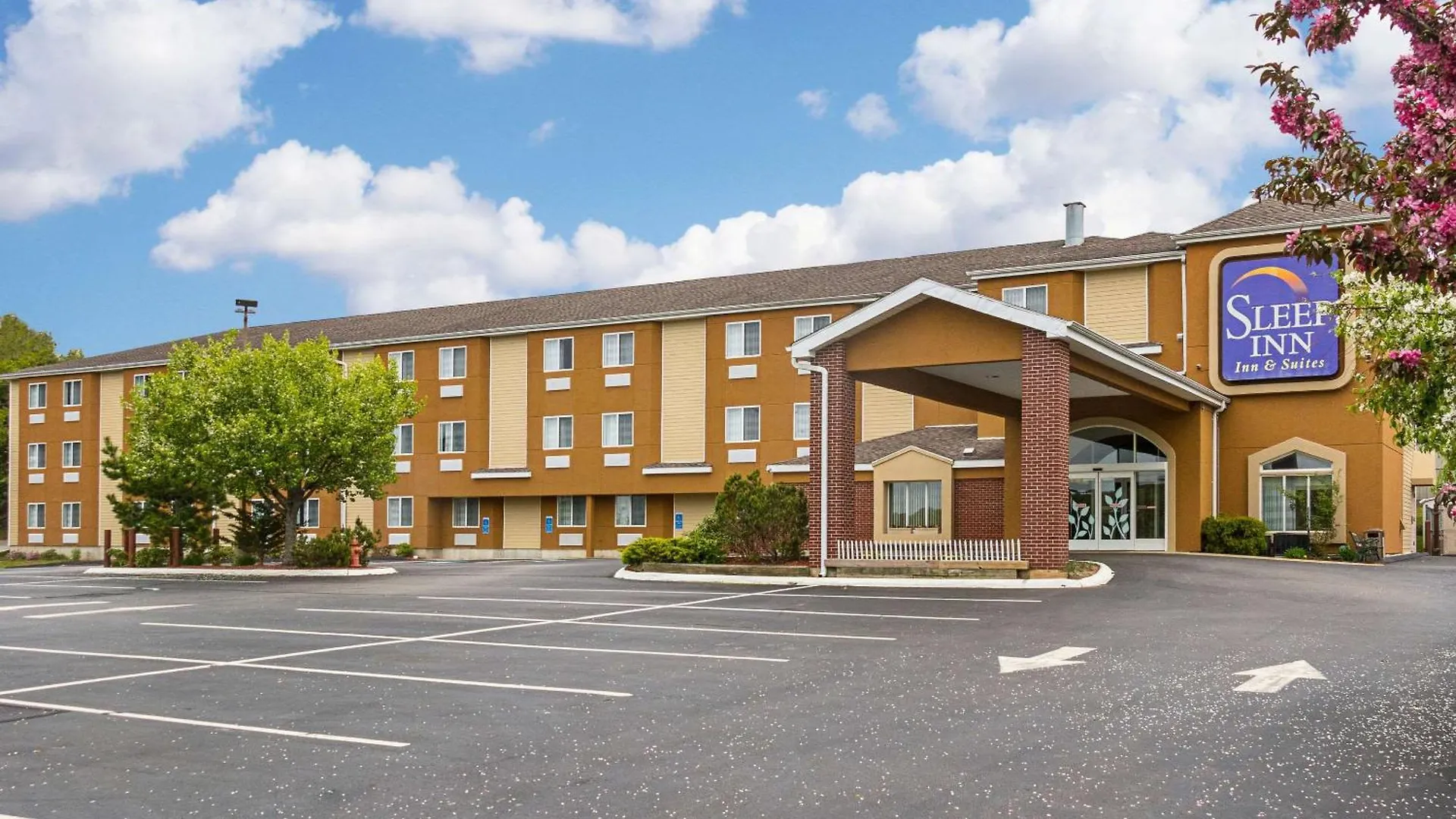
1. Sleep Inn & Suites Niantic North
Show on map


 Check-infrom 16:00 until 23:59Check-outuntil 11:00
Best price guarantee
fromUS$ 140
-
2. Hilltop Inn & Suites, Near Foxwoods Casino
Show on map


 Check-infrom 16:00 until 23:59Check-outuntil 11:00
Just a few rooms left at the best rate!
fromUS$ 225
-
3. Super 8 By Wyndham Augusta
Show on map


 Check-infrom 15:00 until 23:59Check-outuntil 11:00
Rooms filling fast – secure the best rate!
fromUS$ 66
-
4. Red Roof Inn Plus + Boston - Framingham
Show on map


 Check-infrom 15:00 until 23:59Check-outuntil 11:00
Hurry – almost gone at this price!
fromUS$ 77
-
5. Black Bear Inn, An Ascend Collection Hotel
Show on map


 Check-infrom 16:00 until 23:59Check-outuntil 11:00
Just a few rooms left at the best rate!
fromUS$ 96
-
6. Hampton Inn Waterville
Show on map


 Check-infrom 15:00 until 23:00Check-outuntil 12:00
Rooms filling fast – secure the best rate!
fromUS$ 154
-
7. Best Western Plus Augusta Civic Center Inn
Show on map


 Check-infrom 15:00 until 23:59Check-outuntil 11:00
Rooms filling fast – secure the best rate!
fromUS$ 116
-
8. Best Western York Inn
Show on map


 Check-infrom 15:00 until 23:00Check-outuntil 11:00
Best price guarantee
fromUS$ 75
-
9. Hampton Inn By Hilton Oxford, Me
Show on map


 Check-infrom 15:00 until 23:59Check-outuntil 11:00
Best price guarantee
fromUS$ 183
-
10. Andover Inn
Show on map


 Check-infrom 15:00 until 23:59Check-outuntil 11:00
Just a few rooms left at the best rate!
fromUS$ 179
-
11. Center Lovell Inn
Show on map


 Check-infrom 16:00 until 21:00Check-outuntil 11:00
Best price guarantee
fromUS$ 139
-
12. Sonesta Select Boston Milford
Show on map


 Check-infrom 16:00 until 23:59Check-outuntil 11:00
Just a few rooms left at the best rate!
fromUS$ 91
Best Premium Golf Resort Stays
These properties deliver full resort infrastructure - spas, multiple recreational facilities, on-site dining, and course-adjacent positioning - for golfers who want a complete stay rather than simply a convenient overnight base.
-
13. Holiday Inn Club Vacations Mount Ascutney Resort
Show on map


 Check-infrom 16:00 until 23:59Check-outuntil 10:00
Hurry – almost gone at this price!
fromUS$ 231
-
14. The Pointe At Castle Hill Resort & Spa
Show on map


 Check-infrom 15:00 until 23:59Check-outuntil 11:00
Hurry – almost gone at this price!
fromUS$ 206
-
15. Dan'L Webster Inn And Spa
Show on map


 Check-infrom 15:00 until 23:59Check-outuntil 11:00
Hurry – almost gone at this price!
fromUS$ 229
Smart Timing & Booking Advice for New England Golf Hotels
New England's golf season peaks between late May and mid-October, with September standing out as the optimal month: courses are in top condition, foliage begins in northern Vermont and Maine, and temperatures across the region stay consistently playable. July and August drive the highest demand in coastal areas - Cape Cod and southeastern Connecticut see occupancy spikes that push hotel rates up significantly, and tee times at popular courses fill within hours of opening. Vermont resorts like Mount Ascutney and Castle Hill see a second pricing wave during October foliage weekends, when rooms can be 40% above their summer rates. Golfers targeting Maine's interior and western lakes courses will find the best combination of value and availability in June, when rates have not yet peaked and course traffic remains lighter than midsummer. Book Vermont and Cape Cod stays at least 8 weeks in advance for any weekend in September or October - last-minute availability at quality properties is rare. For Maine highway corridor hotels like Hampton Inn Waterville or Best Western Augusta, two to three weeks' lead time is typically sufficient outside of foliage season. Multi-night stays of at least three nights are recommended across the board: New England's course geography rewards deliberate exploration rather than rushed one-night stopovers, and most hotels offer better nightly rates for stays of three nights or longer during shoulder season.