New England spans six states - Massachusetts, Vermont, Connecticut, Maine, New Hampshire, and Rhode Island - each offering a distinct architectural and cultural backdrop that makes the region one of the most visually compelling in the United States. From coastal Cape Cod to the ski lodges of Vermont's Green Mountains, the hotels here range from converted colonial inns to modernized highway properties with standout interiors. This guide covers 15 design-forward hotels across the region, selected for their character, positioning, and practical value for travelers who care where they sleep.
What It's Like Staying in New England
New England is one of the few regions in the US where history, landscape, and architecture converge within short driving distances. A hotel stay here is rarely just about the room - the surrounding environment, from white-clapboard town centers to rugged Atlantic coastlines, directly shapes the experience. Getting around requires a car in most destinations outside Boston; rural Vermont, the Berkshires, and Maine's mid-coast are essentially inaccessible without one. Crowd patterns vary sharply by season: foliage season in October and summer on Cape Cod push occupancy near capacity, while winter delivers quieter conditions except at ski destinations like Killington.
New England rewards travelers who plan around its geography. Distances between states look short on a map but can take longer than expected due to mountain passes, coastal routes, and small-town speed limits. Booking at least 6 weeks ahead is advisable for peak periods, particularly in the Berkshires and coastal Maine.
Pros:
- Extraordinary variety of landscapes within a compact region - ocean, mountains, forests, and historic towns are all within reach
- Strong culinary identity with fresh seafood, farm-to-table cuisine, and regional craft breweries anchoring local hotel dining
- High concentration of cultural institutions - from Tanglewood to the Sandwich Glass Museum - that give hotel stays meaningful context
Cons:
- Car dependency outside Boston makes logistics more complex, especially for international travelers unfamiliar with rural New England roads
- Seasonal pricing spikes in October and July can push hotel rates up by around 40% compared to shoulder months
- Some towns offer very limited dining and entertainment options after 9 pm, which may feel restrictive for travelers used to urban nightlife
Why Choose Exceptional Design Hotels in New England
Design-forward hotels in New England don't follow a single template. The region's stock includes ski lodges with maple-floor common rooms and wood stoves, colonial-era inns with heated-tile bathroom floors, and highway-adjacent Marriott properties that punch above their category with indoor pools, hot tubs, and well-executed buffet breakfasts. Price points range significantly by location - a design-conscious stay in rural Vermont or mid-coast Maine often delivers more character per dollar than equivalent properties in Boston's inner neighborhoods. Room sizes tend to be more generous outside city centers, and many properties include free parking, which alone offsets a meaningful part of the nightly rate in a car-dependent region.
The trade-off with design hotels outside major hubs is reduced walkability. Around 70% of the properties in this guide require a car to reach restaurants, attractions, or transit. What you gain is space, quiet, and a setting that urban hotels simply cannot replicate - whether that's a lakeside position in Bridgewater or a mountain-flanked ski lodge in Killington.
Pros:
- More generous room sizes and amenities like full kitchens or suite layouts at mid-range price points, particularly in Massachusetts and Vermont
- Free parking is standard at most design hotels outside Boston, removing a significant hidden cost of New England travel
- Many properties are positioned near high-value attractions - ski resorts, state parks, historic museums - reducing total trip logistics
Cons:
- Most design hotels in the region are not walkable to restaurants or town centers, requiring a car for every meal and excursion
- Seasonal closures or reduced services (outdoor pools, restaurant hours) affect some properties between November and April
- Design quality can be inconsistent - some properties lead with brand-standard interiors rather than genuinely site-specific character
Practical Booking & Area Strategy
New England's best-positioned design hotels cluster around three distinct zones: the Berkshires in western Massachusetts (anchored by Great Barrington and Lenox), the Vermont ski corridor (Killington, Ludlow, and the Castle Hill area), and the Cape Cod and South Shore coastal belt. For travelers arriving by air, Bradley International Airport serves the Berkshires and Connecticut properties, while Logan Airport in Boston is the gateway for South Shore and Cape Cod stays. Mystic and Niantic in Connecticut are underrated bases - close to Mystic Seaport, Foxwoods Casinos, and the coast, yet significantly cheaper than Massachusetts equivalents. For Vermont, Lebanon Municipal Airport is the closest regional option, though most guests drive from Boston or New York. Foliage season - typically the second and third weeks of October - is when the Berkshires and Vermont see the sharpest demand; booking 8 weeks ahead is the minimum for this window. Cape Cod peaks from late June through August, while ski destinations like Killington are busiest from late December through February. Shoulder months of May and November offer the best value across nearly all New England destinations, with rates often 30% lower and significantly shorter wait times at restaurants and attractions.
Best Value Design Stays
These properties deliver strong design character and practical amenities at accessible price points, covering key New England destinations from the Connecticut coast to suburban Massachusetts and southern Vermont.
-
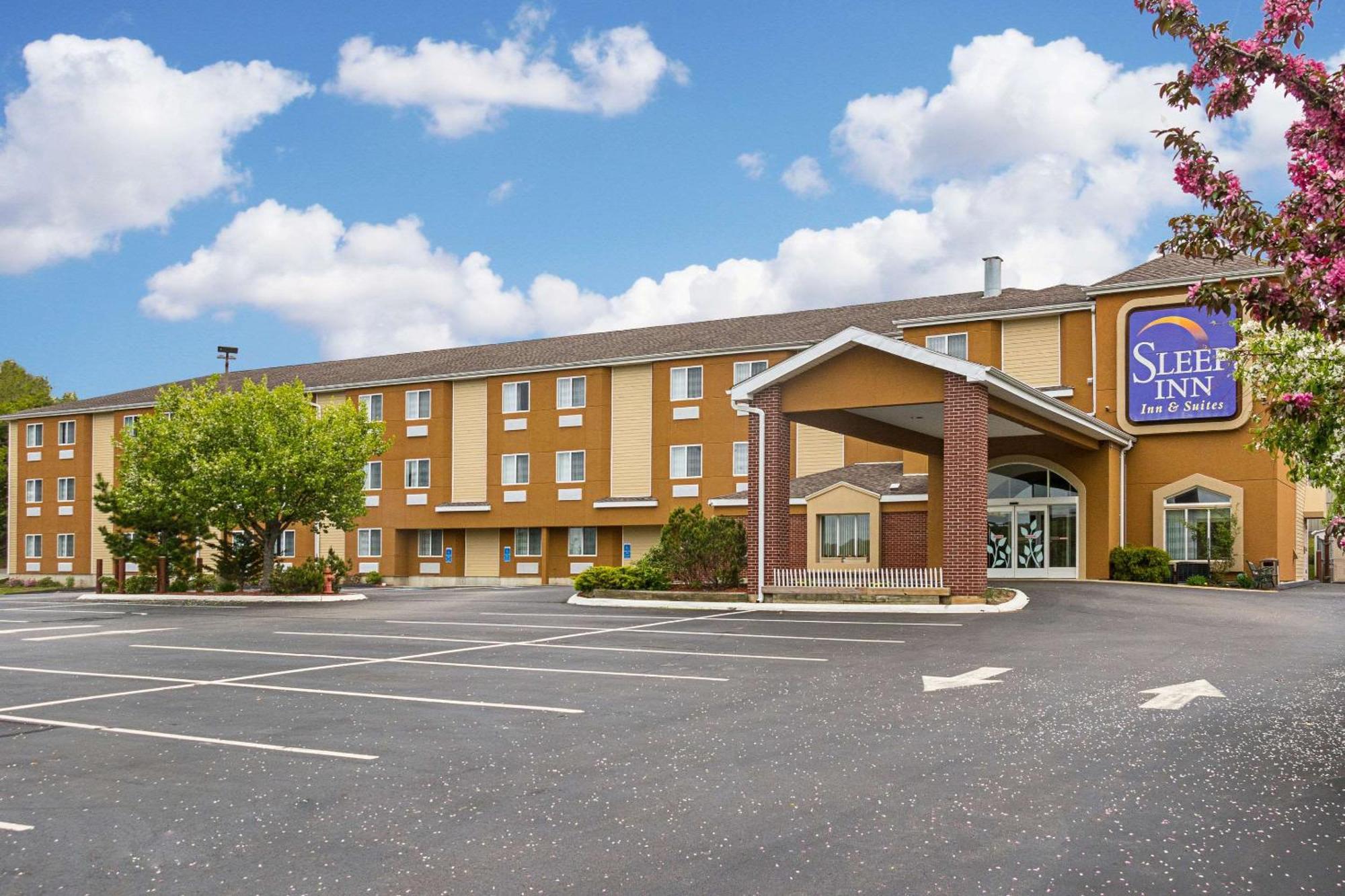
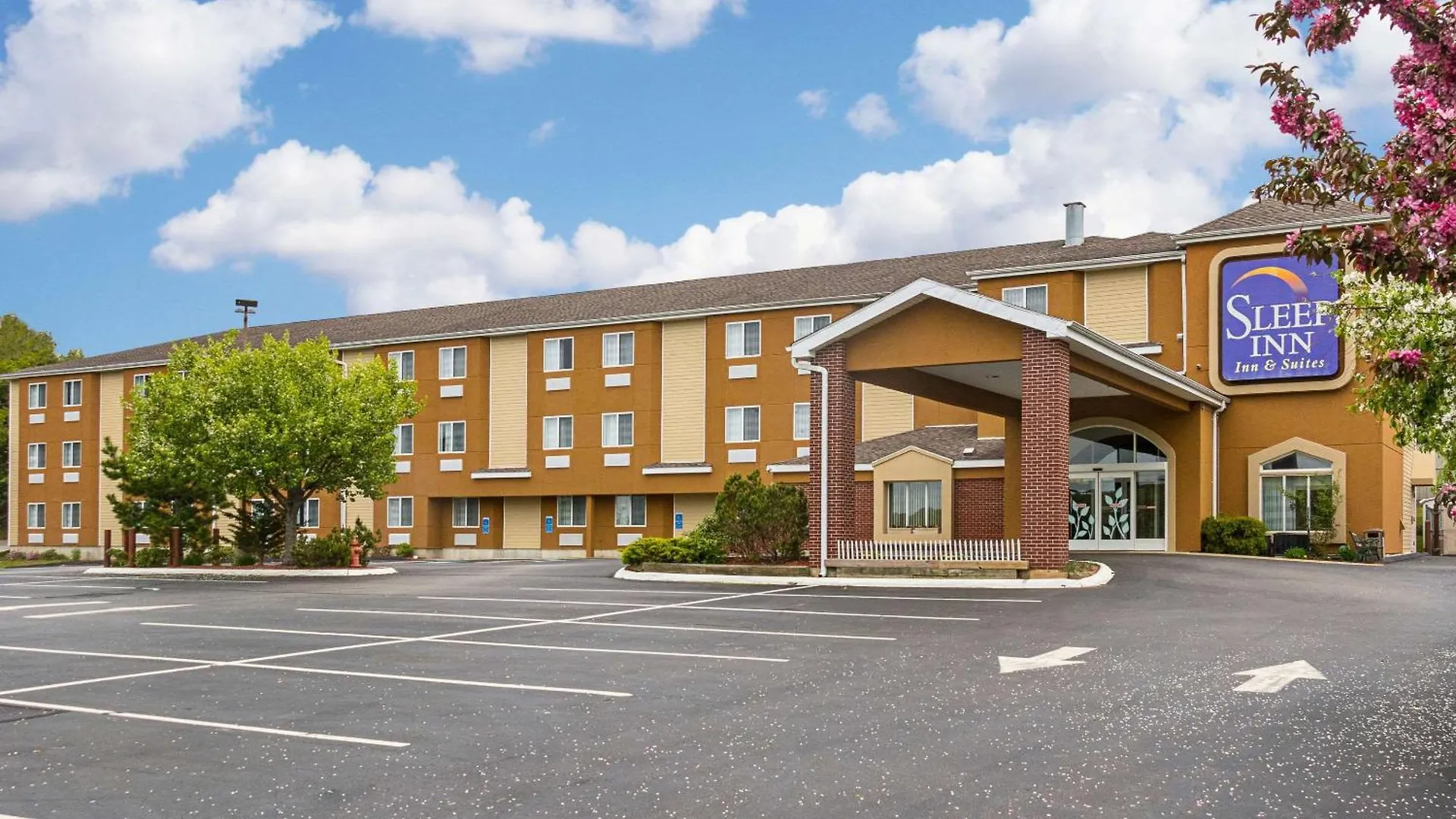
1. Sleep Inn & Suites Niantic North
Show on map


 Check-infrom 16:00 until 23:59Check-outuntil 11:00
Best price guarantee
fromUS$ 140
-
2. Red Roof Inn Plus + Boston - Framingham
Show on map


 Check-infrom 15:00 until 23:59Check-outuntil 11:00
Hurry – almost gone at this price!
fromUS$ 77
-
3. Motel 6-Chicopee, Ma - Springfield
Show on map


 Check-infrom 15:00 until 23:59Check-outuntil 11:00
Rooms filling fast – secure the best rate!
fromUS$ 70
-
4. The Ellery
Show on map


 Check-infrom 16:00 until 20:00Check-outuntil 11:00
Just a few rooms left at the best rate!
fromUS$ 135
-
5. Hampton Inn Waterville
Show on map


 Check-infrom 15:00 until 23:00Check-outuntil 12:00
Rooms filling fast – secure the best rate!
fromUS$ 154
-
6. Best Western Rockland
Show on map


 Check-infrom 15:00 until 23:59Check-outuntil 11:00
Just a few rooms left at the best rate!
fromUS$ 125
-
7. Hampton Inn Auburn
Show on map


 Check-infrom 15:00 until 23:59Check-outuntil 11:00
Just a few rooms left at the best rate!
fromUS$ 116
Best Premium Design Stays
These properties offer more distinct character, elevated amenities, or standout positioning - from Vermont mountain resorts to Cape Cod spa inns and lakeside Massachusetts suites - and are best suited for travelers who want the stay itself to be a destination.
-
8. Fairfield Inn & Suites By Marriott Great Barrington Lenox/Berkshires
Show on map


 Check-infrom 15:00 until 23:30Check-outfrom 04:00 until 11:00
Just a few rooms left at the best rate!
fromUS$ 209
-
9. Dan'L Webster Inn And Spa
Show on map


 Check-infrom 15:00 until 23:59Check-outuntil 11:00
Best price guarantee
fromUS$ 229
-
10. Comfort Inn & Suites Brattleboro I-91
Show on map


 Check-infrom 15:00 until 23:59Check-outuntil 11:00
Hurry – almost gone at this price!
fromUS$ 159
-
11. The Pointe At Castle Hill Resort & Spa
Show on map


 Check-infrom 15:00 until 23:59Check-outuntil 11:00
Hurry – almost gone at this price!
fromUS$ 206
-
5. Residence Inn By Marriott Boston Bridgewater
Show on map


 Check-infrom 15:00 until 23:59Check-outuntil 11:00
Hurry – almost gone at this price!
fromUS$ 152
-
13. Mountain Sports Inn
Show on map


 Check-infrom 15:00 until 20:00Check-outfrom 08:00 until 10:00
Rooms filling fast – secure the best rate!
fromUS$ 89
-
7. Sea Mist Resort
Show on map


 Check-infrom 16:00 until 23:59Check-outuntil 10:00
Best price guarantee
fromUS$ 155
-
8. The Grand Hotel
Show on map


 Check-infrom 15:00 until 18:00Check-outfrom 08:00 until 11:00
Rooms filling fast – secure the best rate!
fromUS$ 215
Smart Travel & Timing Advice for New England
New England's travel calendar is more binary than most US regions: there are high-demand windows and genuinely quiet ones, with little in between. Peak foliage - roughly the second and third weeks of October - is the single most competitive booking period across Vermont, New Hampshire, and the Berkshires; properties near Killington, Castle Hill, and Great Barrington fill weeks in advance and prices reflect it. Cape Cod and coastal Massachusetts peak from late June through Labor Day, after which occupancy drops sharply and rates follow. Ski destinations like Killington operate on a December-to-March cycle, with Presidents' Week in February and the Christmas-New Year window being the most capacity-constrained periods. For the best combination of value and experience, May and early June deliver mild weather, open trails, and hotel rates around 25% below summer pricing - with none of the crowd pressure that defines July on the Cape. A minimum of 2 nights is recommended at destination properties like Sea Mist Resort, The Pointe at Castle Hill, or Mountain Sports Inn, where the facilities and surroundings justify slowing down. For highway-adjacent properties in Framingham, Chicopee, or Niantic, a single night is often enough as a transit stop between larger destinations.