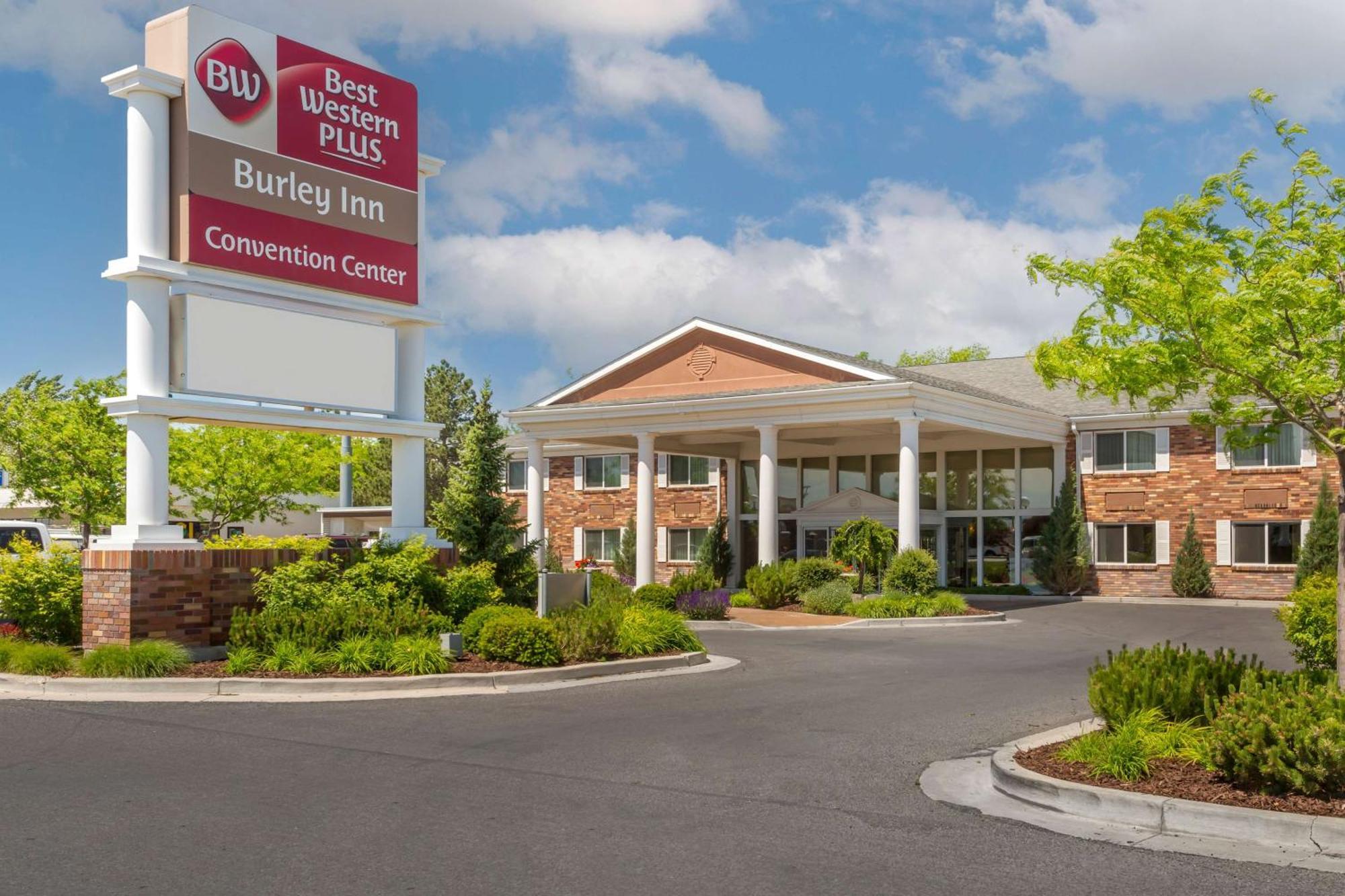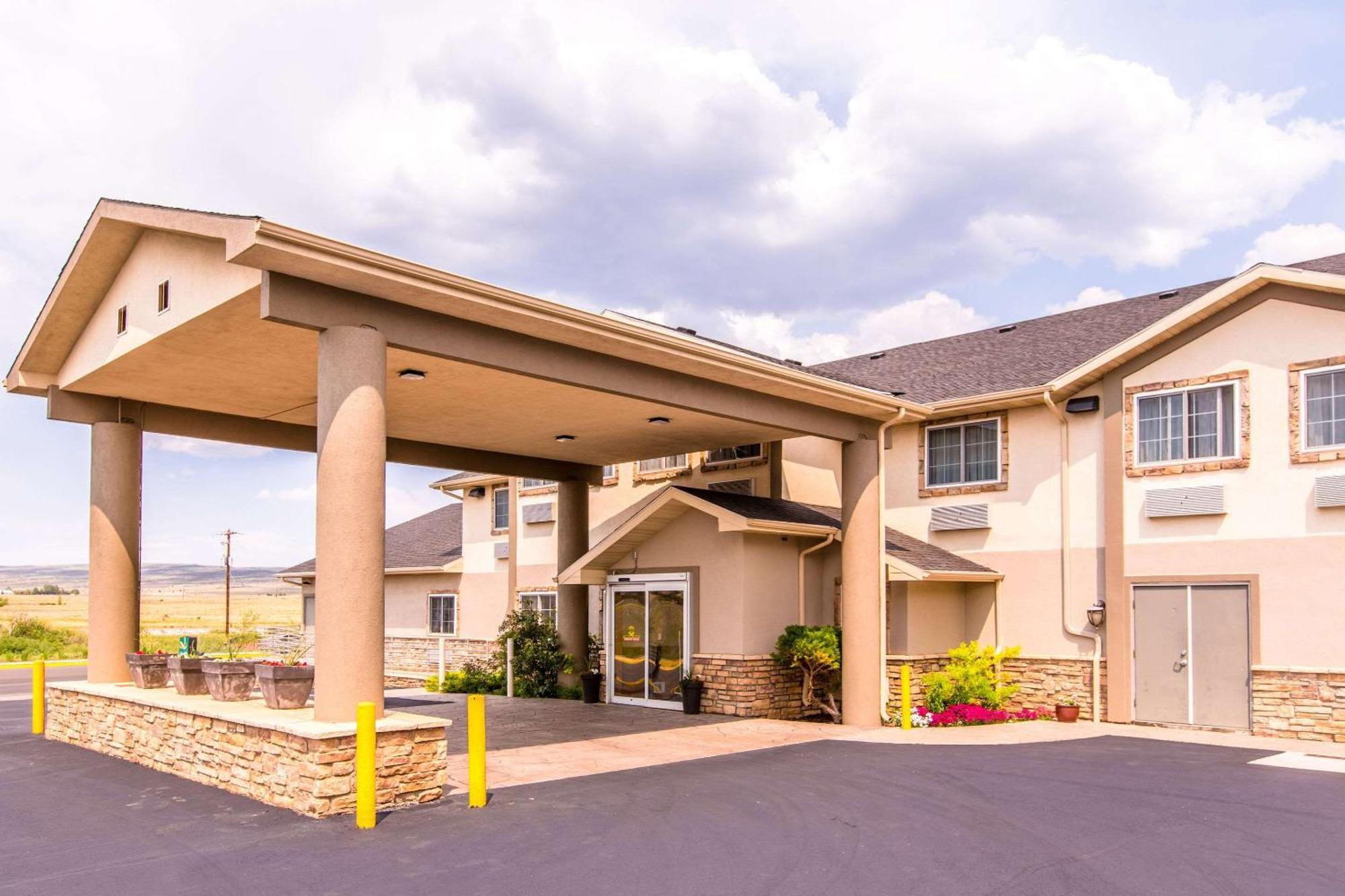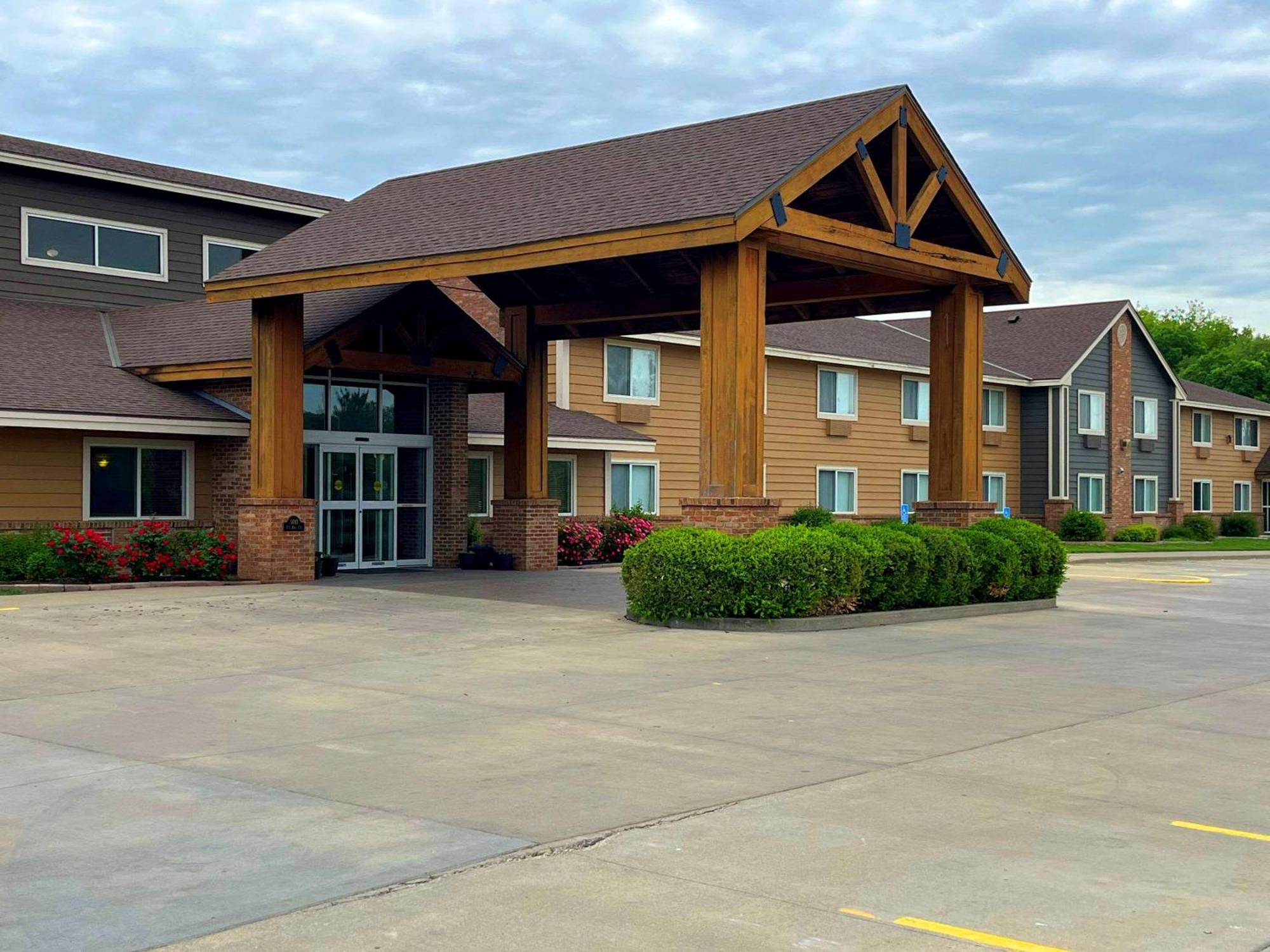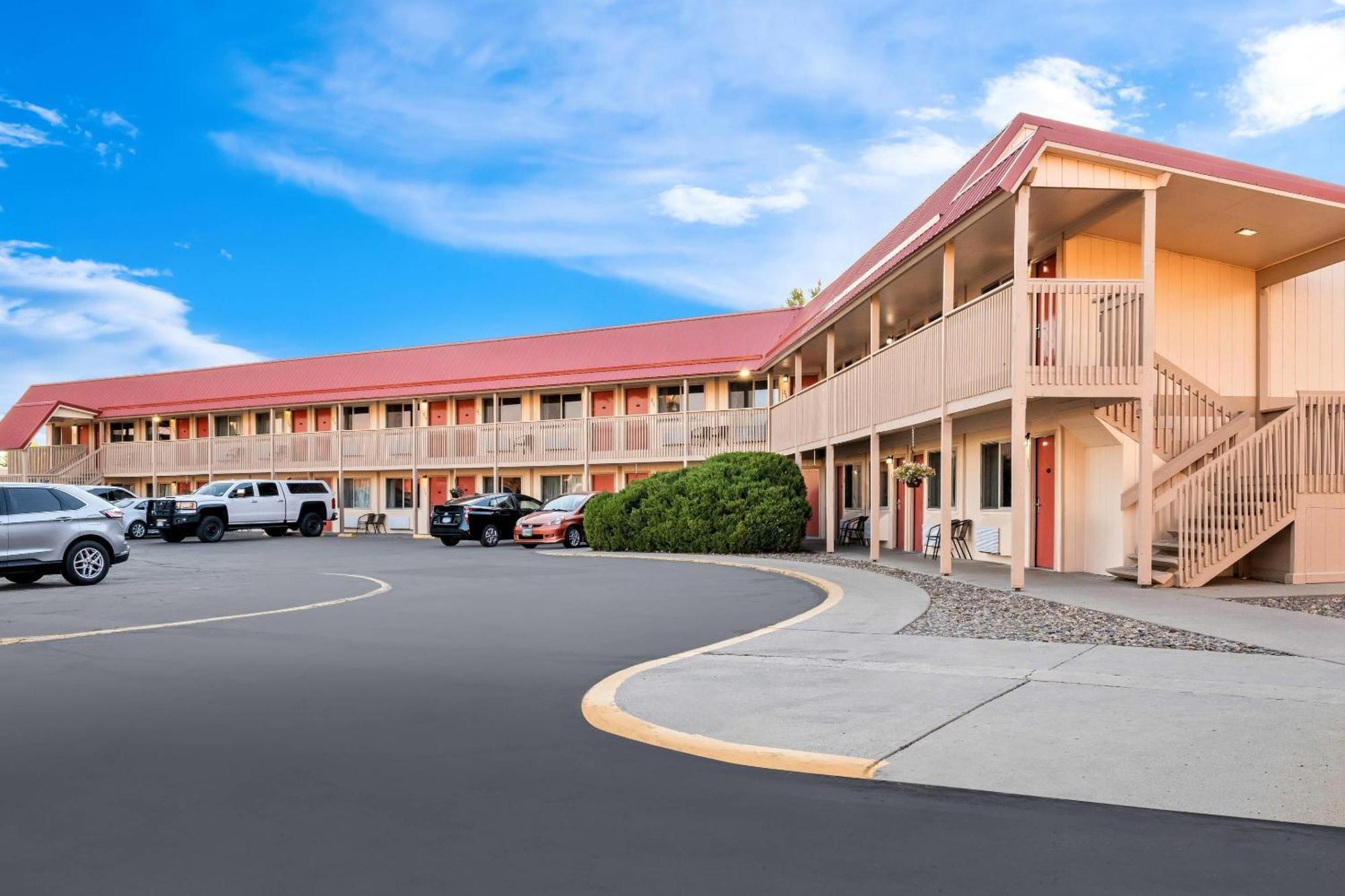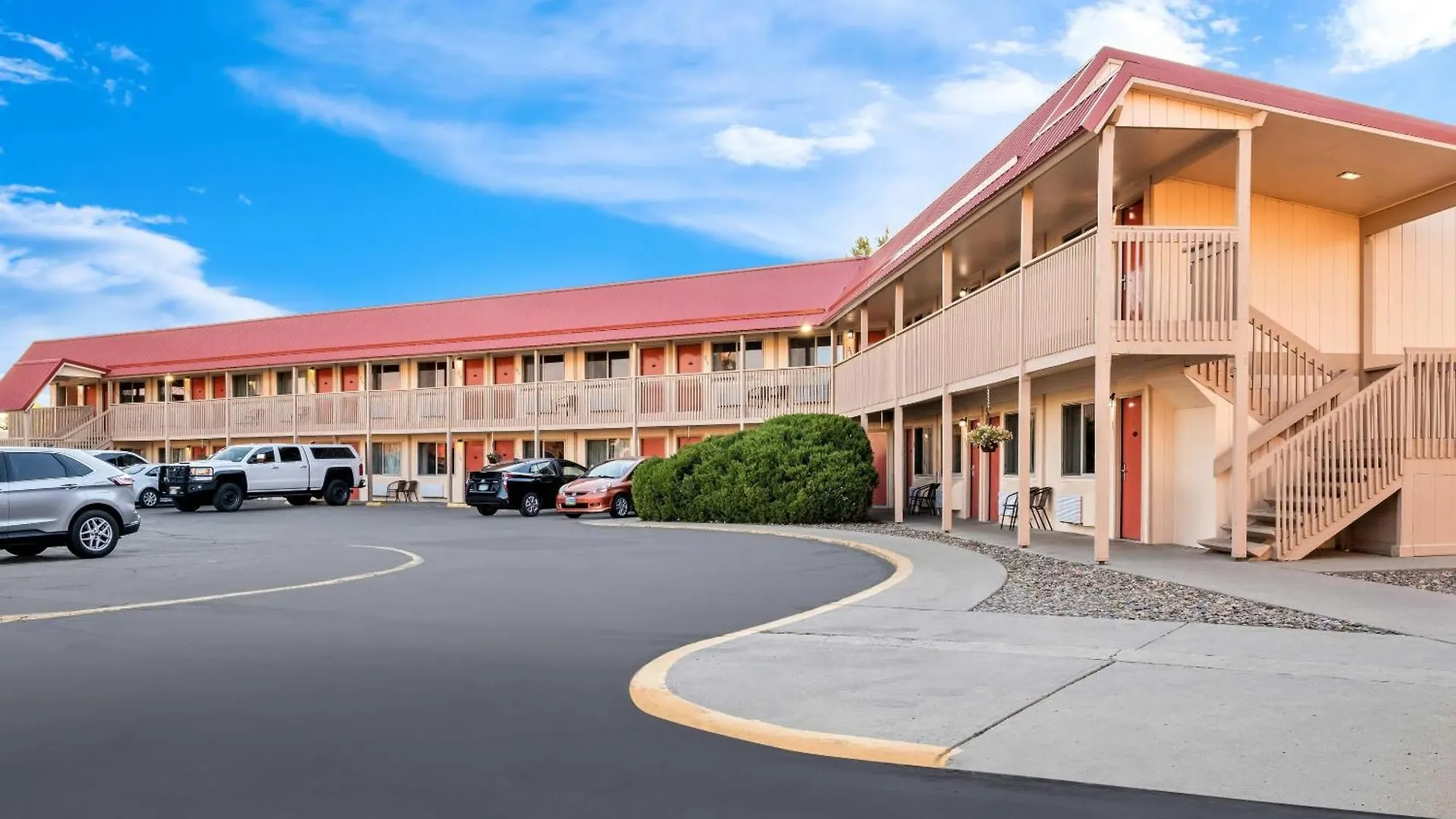
When traveling across Montana's vast landscapes - from Yellowstone's northern gateway in Bozeman to the ranching plains of Miles City - the quality of a hotel's staff can define your entire trip. Distances between towns regularly exceed 100 miles, so where you stop and who greets you matters far more than in urban destinations. Hotels with outstanding staff ratings in Montana tend to offer something genuinely rare: personalized local knowledge that no GPS can replicate, including trail conditions, road closures, and last-minute reservation tips for popular parks.
What It's Like Staying in Montana
Montana is the fourth-largest state in the US by area, yet it ranks among the least densely populated - meaning you'll often drive long stretches between lodging options with no alternatives in sight. Planning your overnight stops in advance is critical, especially along routes connecting Glacier National Park in the northwest, Bozeman in the south-center, and Billings in the southeast. The state operates on a slow, self-reliant rhythm: grocery stores close early, cell service disappears on mountain roads, and peak summer season fills properties weeks out. Travelers who benefit most from staying in Montana are those seeking outdoor immersion - hiking, fly fishing, wildlife watching - with a genuine frontier atmosphere that's increasingly rare in the American West. City-based travelers expecting urban amenities will find the adjustment steep, particularly in smaller towns like Hardin, Whitehall, or St. Regis where dining and entertainment options are limited after 9 PM.
Pros:
- Exceptionally low light pollution makes Montana one of the best states for stargazing and aurora sightings in the northern corridor near Glacier
- Proximity to two iconic national parks - Glacier and Yellowstone - within a single road trip loop is unmatched in the continental US
- Staff at smaller Montana properties frequently offer insider access to local fishing holes, unmarked trails, and seasonal wildlife patterns unavailable online
Cons:
- Distances between towns require careful fuel and accommodation planning; running out of options is a real risk on secondary highways
- Wildfire smoke from July through September regularly affects air quality across western and central Montana, impacting outdoor plans
- Limited public transportation means a rental car is essentially mandatory for any meaningful exploration of the state
Why Choose Hotels With Top-Rated Staff in Montana
In a state where trip logistics can unravel quickly - an unexpected road closure, a sudden snowstorm in June, a fully booked campsite near Glacier - a knowledgeable and proactive front desk team becomes a genuine travel asset. Hotels with high staff ratings in Montana consistently outperform on local knowledge delivery: they know which trailheads are washed out, which local diners are open on Sundays, and how to reroute your itinerary when plans change. Across Montana's lodging market, well-reviewed staff properties don't always command a premium - some of the highest-rated service experiences appear in 2-star and budget-tier hotels where the owner-operated model keeps personal attention high. Around 70% of Montana's most staff-praised hotels are independently run or franchise properties with long-tenured local employees, rather than corporate chains with rotating staff. The main trade-off is that these properties are often smaller, with limited amenities like pools or spas, compensated by a hospitality quality that larger resorts rarely match.
Pros:
- Owner-operated and locally staffed properties provide hyper-local trip planning assistance that chain hotel concierges typically cannot match in rural Montana
- High staff ratings correlate strongly with faster issue resolution - critical when you're hours from the nearest alternative accommodation
- Many top-staff-rated hotels in Montana offer flexible check-in and check-out, accommodating the unpredictable schedules of road trippers and outdoor adventurers
Cons:
- Smaller staff teams mean limited 24-hour coverage; late-night arrivals after long drives may find reduced front desk availability
- Properties with standout staff often have fewer rooms, making availability tight during peak summer and hunting season without advance booking
- High staff quality doesn't always compensate for aging room infrastructure in some rural Montana properties
Practical Booking & Area Strategy for Montana Hotels
Montana's geography demands strategic positioning. Bozeman is the most logistically central base for travelers combining Yellowstone's north entrance (around 90 miles south via US-191) with access to Big Sky, the Gallatin Canyon, and Bridger Bowl ski area. Hamilton, in the Bitterroot Valley, sits about 45 miles south of Missoula and positions you well for Ravalli County hiking and the Selway-Bitterroot Wilderness without Missoula's higher lodging prices. For travelers crossing Montana on I-90 or I-94, St. Regis and Miles City serve as practical overnight stops rather than destinations - choosing a staff-praised property here means you get reliable local intel on road conditions and the next day's route. Book at least 6 weeks ahead for any July or August stay near Glacier or Yellowstone corridors, where occupancy can reach near-capacity and even budget motels command elevated rates. The Hardin and Whitehall areas remain significantly less pressured and offer genuine last-minute availability even in summer, making them reliable fallback stops on cross-state drives.
Best Value Stays
These properties deliver strong staff-rated experiences at accessible price points, spread across Montana's key travel corridors - from the I-94 plains to the Bitterroot Valley and beyond.
-
1. Econo Lodge Miles City I-94
Show on map


Just a few rooms left at the best rate!
fromUS$ 79
-
2. Lariat Motel
Show on map


Just a few rooms left at the best rate!
fromUS$ 131
-
3. Little River Motel Saint Regis
Show on map


Just a few rooms left at the best rate!
fromUS$ 90
-
4. Hotel Hamilton
Show on map


Hurry – almost gone at this price!
fromUS$ 147
Best Premium Stays
These properties offer elevated facilities, stronger amenity packages, and in the case of Gallatin River Lodge, a resort-grade experience rare in Montana's lodging landscape.
-
5. Jefferson Inn
Show on map


Hurry – almost gone at this price!
fromUS$ 71
-
6. Quality Inn Hamilton Bitterroot Valley
Show on map


Rooms filling fast – secure the best rate!
fromUS$ 85
-
7. Gallatin River Lodge
Show on map


Rooms filling fast – secure the best rate!
fromUS$ 296
Smart Travel & Timing Advice for Montana Hotels
July and August are Montana's most congested months, with Glacier National Park's Going-to-the-Sun Road reaching capacity by 9 AM and Yellowstone's north entrance towns like Gardiner and West Yellowstone running near-full occupancy for weeks. Properties in Bozeman and Hamilton see prices increase by around 40% compared to shoulder season rates during peak summer. September is strategically underrated: crowds thin noticeably after Labor Day, fall foliage begins in the Bitterroot and Gallatin valleys, and wildlife activity peaks as elk enter rut - making it arguably the best month for outdoor-focused travelers. Booking at least 6 weeks ahead for any summer stay near a national park corridor is the minimum safe window; last-minute availability in July is effectively nonexistent in gateway towns. For I-90 and I-94 corridor stops like St. Regis, Miles City, and Whitehall, last-minute booking remains viable even in peak season, as these serve transient traffic rather than destination travelers. Winter stays from December through March suit skiing-focused visitors around Big Sky and Bridger Bowl, though road conditions require serious planning and high-clearance vehicles are strongly advisable on mountain passes. A minimum stay of 3 nights makes practical sense for any Montana trip, given the drive times involved in reaching the state's signature attractions.