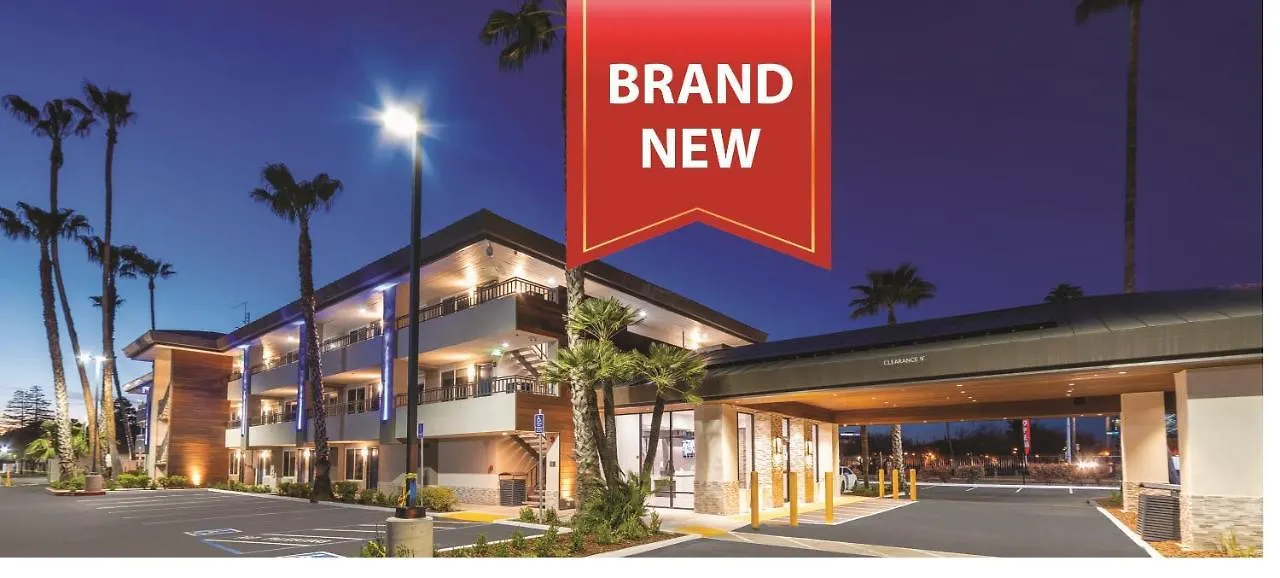
California and Nevada together cover an extraordinary range of travel experiences - from the Pacific coastline and Sierra Nevada ski slopes to the desert casino corridors of Carson City. With 15 hotels spread across cities like Los Angeles, Folsom, Modesto, Mammoth Lakes, and Thousand Oaks, this guide cuts through the noise to help you identify which property fits your actual itinerary, budget, and travel priorities.
What It's Like Staying in California and Nevada
California and Nevada attract tens of millions of visitors each year, and the experience of staying here varies dramatically depending on which city or region you choose. California alone spans over 1,600 km from Oregon to Mexico, meaning a hotel in Redding operates in a completely different travel rhythm than one in Los Angeles or Marina on Monterey Bay. Nevada's appeal is more concentrated - Carson City draws visitors heading toward Lake Tahoe or the Reno gaming corridor, making location decisions there more binary. Transport between major hubs often requires a car, as public transit links between mid-sized cities like Modesto, Stockton, and Woodland are limited, though urban centers like Los Angeles are more transit-accessible. Crowd patterns peak sharply in summer along the coast and ski season in Mammoth Lakes, while inland cities like Dinuba or Taft stay quieter year-round, which directly impacts pricing and availability.
Pros:
- Enormous geographic diversity - one trip can include ocean, mountains, desert, and wine country depending on your hotel base
- Strong highway infrastructure makes multi-city road trips between properties highly practical
- Many hotels in mid-sized cities like Woodland and Folsom offer suburban convenience with fast Sacramento airport access
Cons:
- Coastal and ski-area hotels spike in price seasonally - Mammoth Lakes rooms can become extremely scarce during winter weekends
- Rental car dependency is near-universal outside of Los Angeles, adding cost and planning complexity
- Popular corridors like Highway 101 near Thousand Oaks see significant traffic congestion during peak hours, affecting actual travel times
Why Choose Hotels in California and Nevada
Hotels in this region - as opposed to motels or vacation rentals - consistently offer structured amenities that matter most to travelers covering long distances or planning activity-heavy itineraries: 24-hour front desks, fitness centers, on-site breakfast, and reliable parking. Mid-range 3-star hotels dominate the landscape across cities like Folsom, Stockton, Paradise, and Carson City, offering a practical balance of consistency and cost that budget motels cannot match and that full-service luxury hotels cannot justify in these markets. In Los Angeles-adjacent areas such as Culver City, the 4-star hotel tier becomes relevant, with properties near major cultural venues commanding a premium but delivering proximity to LAX and key museums that independent stays can't replicate. Room size in California's mid-market hotels tends to run larger than comparable urban hotels on the East Coast, and properties with kitchenettes - particularly in Folsom and Stockton - are valuable for longer stays where dining out every meal is impractical. Trade-offs are real: hotels on highway corridors like Taft or Woodland offer free parking and easy freeway access but lack walkable urban surroundings, while properties in Marina or Mammoth Lakes trade convenience for access to specific natural landscapes.
Pros:
- Free parking is standard at around 80% of hotels featured here, a major cost saver compared to downtown urban properties
- Breakfast inclusion at multiple properties reduces daily food spend significantly, especially at mid-range Best Western and Marriott-branded hotels
- Branded hotel chains (Marriott, Best Western, IHG) provide consistent quality benchmarks across very different California sub-regions
Cons:
- Hotels in smaller cities like Taft or Paradise have limited dining and entertainment options within walking distance
- Highway-adjacent hotels in Woodland and Modesto can experience road noise, particularly in rooms facing arterial roads
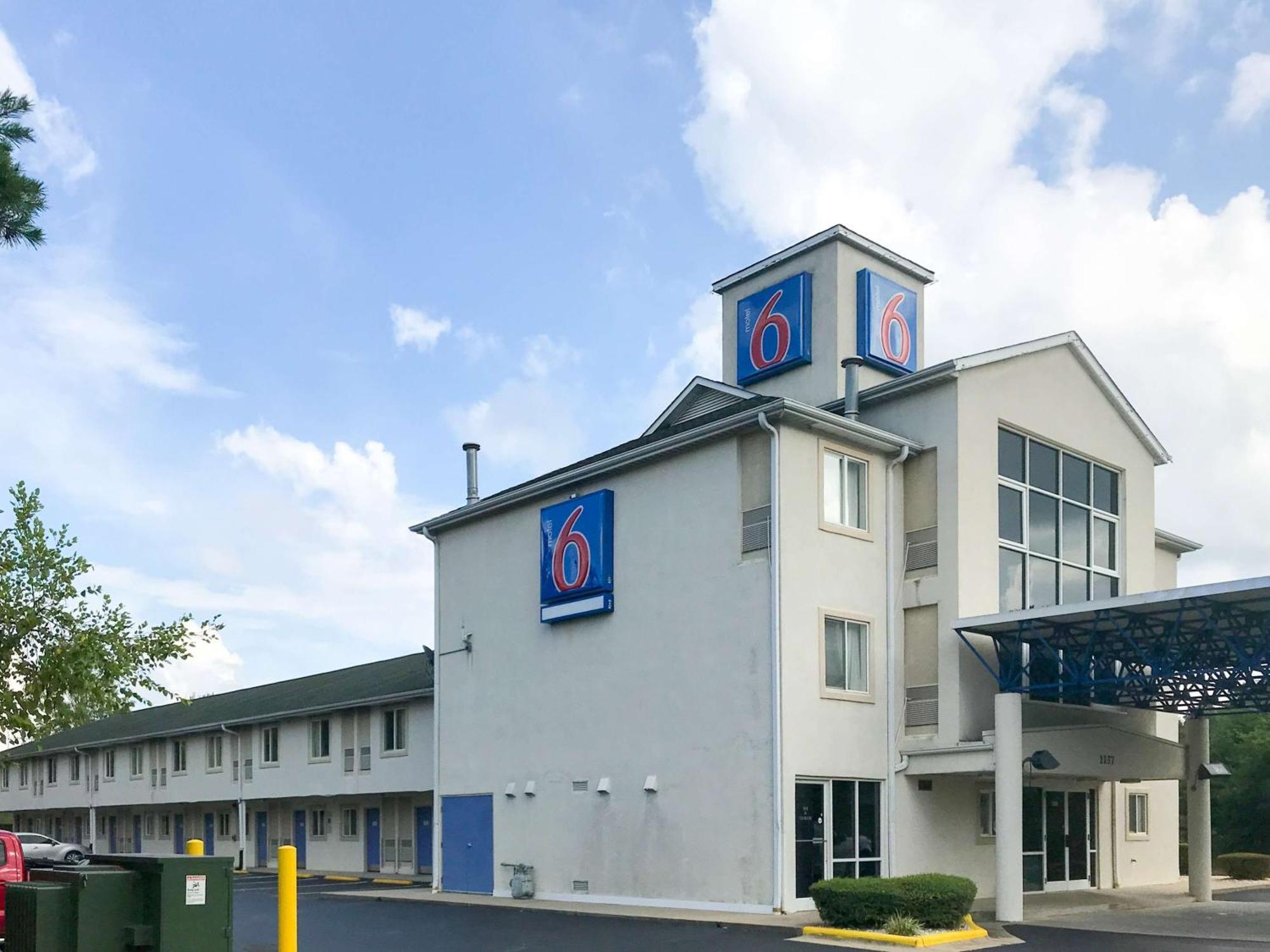
- Budget hotel tiers like Motel 6 in Modesto sacrifice amenity depth - no pool, no breakfast - in exchange for the lowest nightly rates
Practical Booking & Area Strategy
Choosing the right city base matters more than the hotel brand itself when traveling across California and Nevada. Folsom and Woodland are strategic suburban hubs - both sit within 55 km of Sacramento International Airport, making them strong choices for itineraries that combine Sacramento sightseeing with Gold Country or wine country day trips. Travelers heading to Yosemite often underestimate that Modesto and Stockton are closer gateway cities than San Francisco, with drive times of around 90 minutes to the park's western entrances. For Monterey Peninsula access, Marina's SpringHill Suites position puts guests within 15 km of Presidio of Monterey and whale-watching departures, avoiding the higher rates of hotels directly in Monterey city. Carson City in Nevada functions as the most cost-effective base for Lake Tahoe's south shore, especially compared to in-resort pricing that rises sharply on ski weekends. In Southern California, Culver City offers a legitimate alternative to Santa Monica or Beverly Hills pricing while staying within 11 km of LAX and under 10 km from Venice Beach. Book ski-season Mammoth Lakes hotels at least 8 weeks ahead - availability collapses during holiday weekends in January and February. Along the Central Valley corridor - Dinuba, Taft, Stockton - last-minute availability is generally reliable, and negotiating lower rates through direct booking channels is more viable than in coastal markets.
Best Value Stays
These properties deliver solid hotel fundamentals - free parking, Wi-Fi, pools, and in many cases breakfast - at price points well below California's coastal average, making them the most practical choices for budget-conscious travelers or those using the hotel primarily as a road-trip base.
-
1. Motel 6-Modesto, Ca - Downtown
Show on map


 Check-infrom 15:00 until 23:59Check-outuntil 11:00
Hurry – almost gone at this price!
fromUS$ 61
-
2. Studio 6 Suites Stockton, Ca Waterfront
Show on map


 Check-infrom 15:00 until 23:59Check-outuntil 11:00
Hurry – almost gone at this price!
fromUS$ 59
-
3. Best Western Plus Taft Inn
Show on map


 Check-infrom 15:00 until 23:59Check-outuntil 11:00
Hurry – almost gone at this price!
fromUS$ 120
-
4. Americana Modern Hotel
Show on map


 Check-infrom 15:00 until 23:59Check-outfrom 06:00 until 11:00
Rooms filling fast – secure the best rate!
fromUS$ 127
-
5. Baechtel Creek Inn
Show on map


 Check-infrom 15:00 until 23:59Check-outuntil 11:00
Just a few rooms left at the best rate!
fromUS$ 136
-
6. Best Western Americana
Show on map


 Check-infrom 15:00 until 23:59Check-outuntil 11:00
Just a few rooms left at the best rate!
fromUS$ 122
-
7. Best Western Paradise Hotel
Show on map


 Check-infrom 15:00 until 23:59Check-outuntil 11:00
Best price guarantee
fromUS$ 98
-
8. Best Western Shadow Inn
Show on map


 Check-infrom 15:00 until 23:59Check-outuntil 11:00
Best price guarantee
fromUS$ 91
Best Premium Stays
These properties either occupy higher-demand locations, carry stronger brand positioning, or deliver a significantly expanded amenity set - making them the right choice when location precision, extended stays, or on-site dining matter more than nightly rate.
-
1. Premier Inns Thousand Oaks
Show on map


 Check-infrom 16:00 until 23:59Check-outuntil 11:00
Best price guarantee
fromUS$ 62
-
2. Springhill Suites By Marriott The Dunes On Monterey Bay
Show on map


 Check-infrom 15:00 until 23:59Check-outuntil 12:00
Rooms filling fast – secure the best rate!
fromUS$ 169
-
3. Courtyard By Marriott Sacramento Folsom
Show on map


 Check-infrom 15:00 until 23:59Check-outuntil 12:00
Just a few rooms left at the best rate!
fromUS$ 149
-
4. Residence Inn Sacramento Folsom
Show on map


 Check-infrom 15:00 until 23:59Check-outuntil 12:00
Best price guarantee
fromUS$ 219
-
5. Staybridge Suites - Carson City - Tahoe Area By Ihg
Show on map


 Check-infrom 15:00 until 23:59Check-outuntil 11:00
Best price guarantee
fromUS$ 157
-
14. Mammoth Mountain Inn
Show on map


 Check-infrom 16:00 until 23:59Check-outuntil 11:00
Best price guarantee
fromUS$ 127
-
15. Palihotel Culver City
Show on map


 Check-infrom 15:00 until 23:59Check-outuntil 11:00
Best price guarantee
fromUS$ 285
Smart Travel & Timing Advice for California and Nevada
Timing your stay across California and Nevada has a direct impact on both price and experience. June through August is the peak period for coastal California - hotels near Monterey Bay and in Los Angeles fill quickly, and rates can climb steeply, particularly at properties like the SpringHill Suites in Marina and the Palihotel in Culver City. Inland Central Valley cities - Modesto, Stockton, Dinuba, Taft - are largely immune to summer demand spikes and offer the best last-minute availability throughout the year. Mammoth Mountain Inn operates on an entirely different demand calendar: book winter stays at least 8 weeks in advance for January and February weekends, when ski conditions are peak and rooms are claimed fast by Southern California day-trippers converting to overnight guests. The shoulder months of April-May and September-October are the strongest value windows for coastal and mountain properties alike - crowds thin, prices normalize, and weather remains functional for most activities. For Folsom and Sacramento-area hotels like the Courtyard and Residence Inn, proximity to state government and university calendars drives mid-week demand; weekend rates in these suburbs typically drop meaningfully. Carson City's Staybridge Suites is best booked ahead during Reno air show season and Tahoe ski holidays, where regional demand outpaces available inventory at reasonable price points. A minimum of two nights at any single property makes logistical sense given drive distances between California's major regions - single-night stays rarely justify the check-in overhead in rural or suburban locations.